
Shiju Network Logistics Parcel Volume Measurement: Powering Airport Logistics Intelligence Upgrades
Integrating 3D vision and dynamic measurement for end-to-end automated cargo management from intake to loading
Industry background

As global air cargo volumes keep climbing—about 12% CAGR—airport cargo terminals face growing operational pressure. Especially for “volumetric” / low-density freight (volume-to-weight ratio over 1:167), charges are based on volume rather than weight, and traditional manual measurement can no longer keep up. At one international airport, more than 20,000 volumetric pieces are handled daily; manual measurement takes 3–5 minutes each, causing backlog, flight delays, and customer complaints.
Project pain points
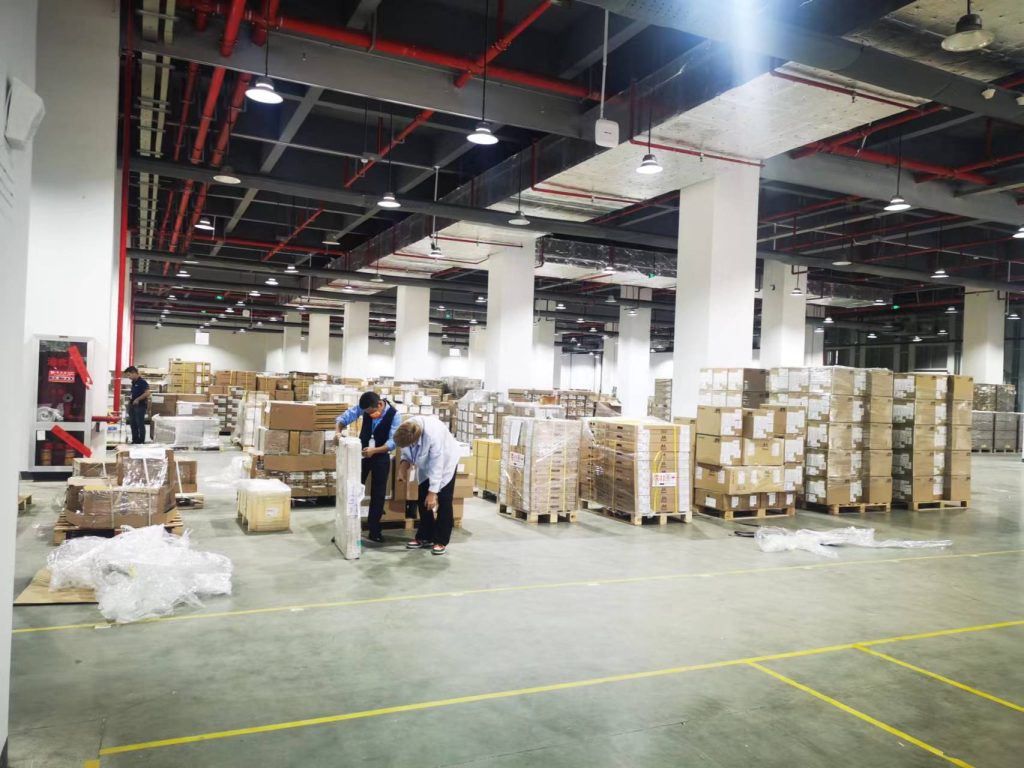
- Efficiency bottleneck: manual measurement cuts cargo throughput speed by 40%; peak backlog exceeds 6 hours.
- Frequent disputes: about 15% of shipments trigger customer complaints due to missing or inaccurate measurements, with annual dispute-handling costs up to USD 500,000.
- Management blind spots: without digital records, abnormal cargo is hard to trace, increasing compliance risk.
Solution
Shiju Network launched an intelligent air-cargo volume metering system that integrates 3D vision and dynamic measurement to automate cargo management from intake to loading—eliminating traditional measurement pain points.
Core technology architecture
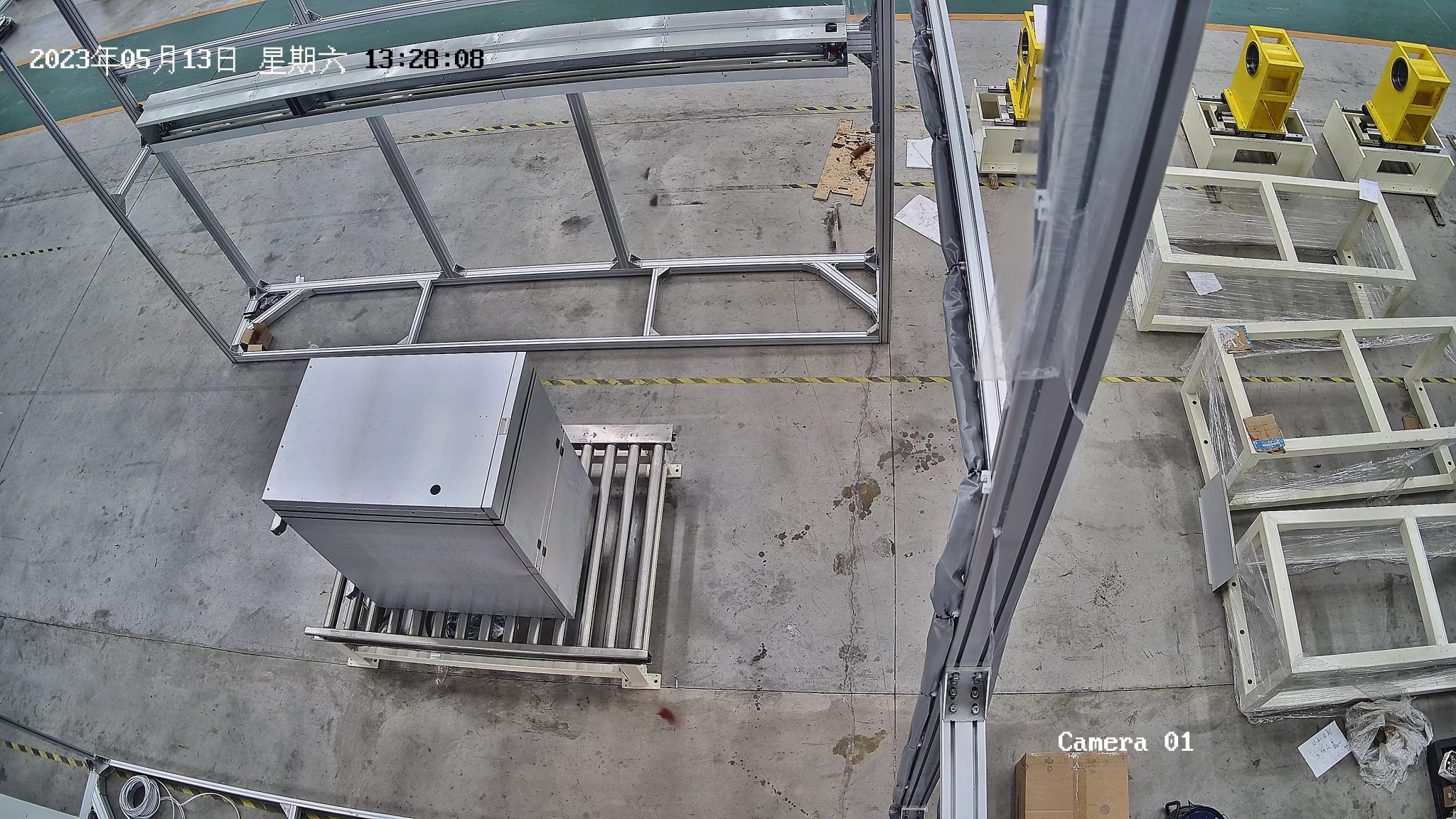
1. Dynamic volume measurement module
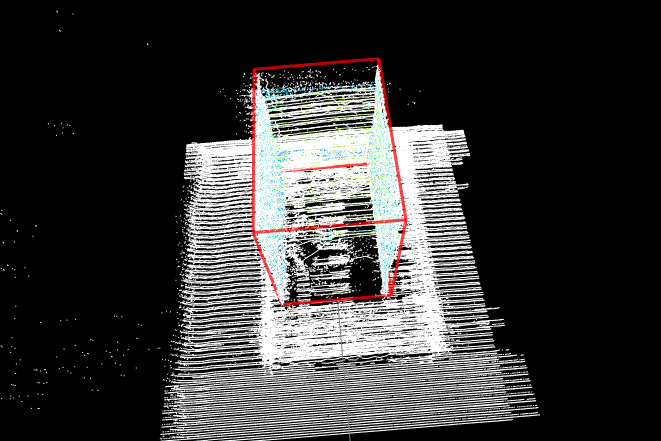
- Uses multi-line LiDAR and high-frame-rate industrial cameras to scan cargo surfaces 15 times per second.
- Point-cloud stitching keeps millimeter-level accuracy while cargo is moving (error <1 cm).
- Supports oversized cargo up to 2 m × 2 m × 2 m.
2. Intelligent image traceability system
- Generates six-face HD images for each piece (4096×2160 resolution).
- Each data package includes volume, density estimate, appearance images, timestamp, and conveyor position coordinates.
3. Airport-specific design adaptations
- Anti-vibration mounts: eliminate conveyor vibration interference on measurement.
- Low-light compensation: maintain >95% recognition rate in dim environments.
- IATA data interfaces: seamlessly connect to air-cargo settlement systems.
Solution advantages
| Core advantage | Technical implementation | Customer value |
|---|---|---|
| Dynamic high-precision measurement | 50 Hz scan rate + sub-millimeter point-cloud algorithms | Per-piece measurement time cut from 5 minutes to 8 seconds; throughput up 37× |
| Full-dimension data archiving | Six-face imagery + 3D point-cloud data packages | Dispute handling efficiency up 90%; ~USD 800,000 annual dispute-cost savings |
| Seamless system integration | Supports CargoXML and CARGO-IMP protocols | Billing data connects directly to airline settlement; metering error reduced to zero |
| 7×24 stable operation | IP65 protection + self-cleaning optics | Maintenance cost down 62%; fault response <15 minutes |
Implementation results
After deployment at a hub airport, the system delivered significant outcomes:
- Efficiency: daily throughput rose from 21,000 to 48,000 pieces.
- Cost: 45 measurement staff reduced; ~USD 2.7 million annual labor savings.
- Management: abnormal-cargo trace time cut from 2 hours to 3 minutes.
- Customer satisfaction: dispute complaints down 92%, with IATA innovative technology recognition.
“This system brought our volumetric freight handling to an industry-benchmark level. Even during Double 11 peaks, cargo still flies the same day, and complaints hit a historic low.” — Cargo director, an international airport
Technical parameters
| Metric | Parameter |
|---|---|
| Measurement accuracy | ±1 cm (dynamic) / ±0.5 cm (static) |
| Max scan speed | 2 m/s |
| Minimum measurable cargo | 20 cm × 20 cm × 10 cm |
| Data retention | Permanent cloud archive + 90-day local cache |
| Environmental adaptability | −20°C~55°C, humidity 10%–95% RH |
Conclusion
With the triple innovation of dynamic measurement, visual traceability, and deep airline-system integration, Shiju Network's conveyor volume measurement solution is pushing global airport logistics into a new era of intelligent metering—and injecting strong momentum into industry efficiency and management upgrades.